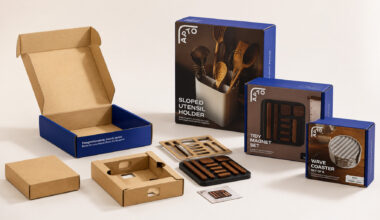
Summary:
High-value product launches rely on strategic packaging design to build trust, reduce user anxiety, and drive adoption. Through three real-world Zenpack case studies: IVIM Telehealth, Jim Beam, and Design Burger. This article breaks down how precision structural engineering, sustainable paper inserts, cross-material color consistency, and interactive paper mechanics turn routine unboxing into a memorable brand asset.
When you launch a new product, it’s easy to put all your budget and energy into digital ads, social media campaigns, and product features. But for a high-value launch, the physical box arriving at the customer’s door is your very first real-world interaction.
If that package feels cheap, cluttered, or frustrating to open, it instantly chips away at the trust you built online. On the flip side, well-engineered packaging does more than just protect what’s inside; it explains the product, sets the right mood, and reinforces why the customer spent their money in the first place.
Here is how thoughtful structural packaging elevates three very different types of product launches.
1. Easing Customer Anxiety and Driving Product Adoption
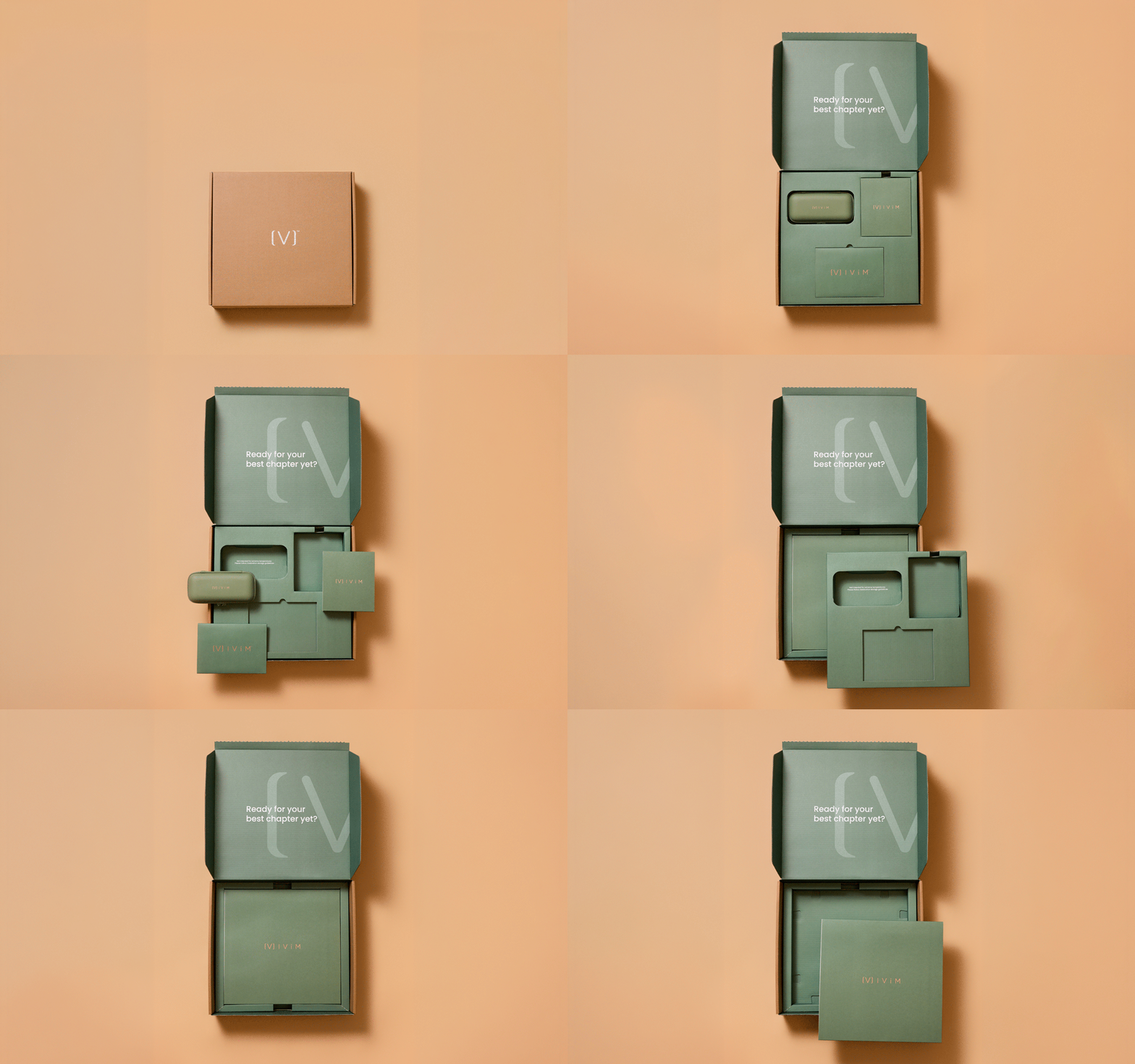
When IVIM Telehealth launched a new line of custom supplements alongside its GLP-1 weight loss prescriptions, they ran into a common issue: introducing a new type of product to an existing customer base. Patients knew IVIM for medical care, not lifestyle supplements. On top of that, starting a medical weight loss program can feel intimidating. A plain box filled with loose vials and needles would only add to that stress.
To fix this, the packaging needed to feel organized, calming, and easy to navigate.
- Guided layouts: Instead of dropping products randomly into a box, the welcome kits were designed to guide patients step-by-step. Instructions, prescriptions, and supplements were arranged logically so patients immediately understood how everything fit into their daily routine.
- Smart material choices: Traditional foam and bubble wrap were swapped out for custom-folded paper inserts made from recycled cardboard. These held every piece securely in place without adding non-recyclable waste.
- Practical details: For the cold-storage medication, the team built a durable, insulated paper-and-foil pouch. It used a thin internal divider that kept accessories organized without blocking refrigerator airflow. To prevent labels from wrinkling on curved serum bottles, graphics were screen-printed directly onto a smooth, spray-coated base.
When launching a complex or unfamiliar product, your packaging should guide users. Clear layouts reduce confusion, lower user anxiety, and help customers adopt new routines faster.
2. Creating VIP Hype and Solving Complex Physics
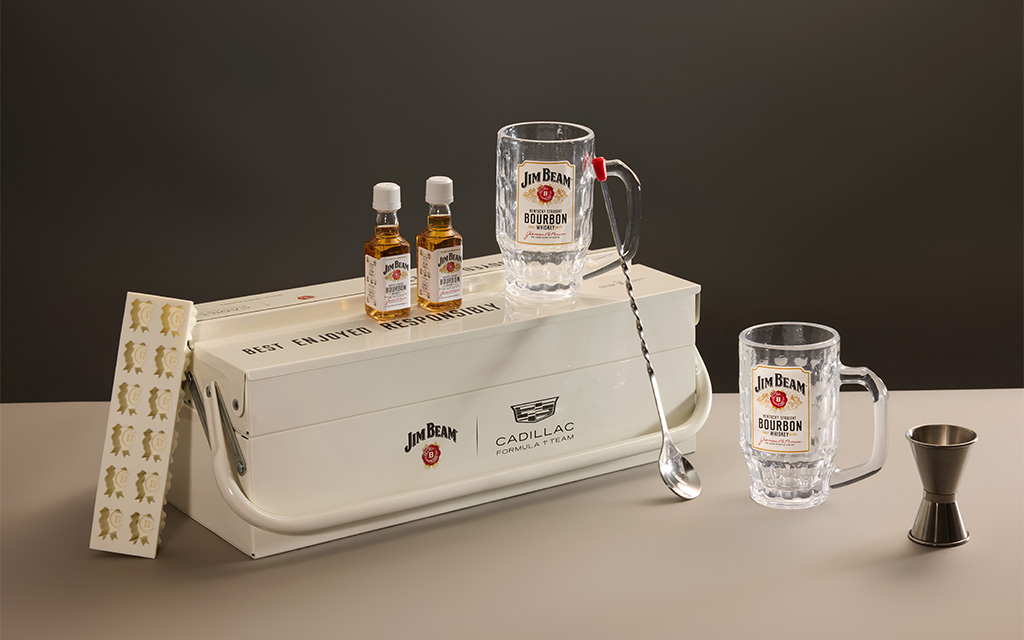
Ahead of the Miami Grand Prix, Jim Beam teamed up with the Cadillac Formula 1 team to launch a limited-edition influencer mailer. The goal was simple: introduce the brand to a younger, luxury-minded audience. The execution, however, was tricky.
The idea was to use a metal toolbox to hold custom glassware and a branded ice tray. But off-the-shelf metal toolboxes have zero shock absorption, raw metal dents easily, and the top rims curved inward—meaning the top opening was narrower than the inside cavity.
Executing this required sharp problem-solving on a tight deadline:
- Navigating tight spaces: To fit items through the narrow top rim without damaging them, designers created trapezoidal EVA foam inserts. The custom angles allowed the inserts to slide in smoothly and hold the fragile glassware snugly enough to pass drop tests.
- Managing material quirks: Silicone shrinks unpredictably as it bakes (often by 1 to 3 millimeters). Rather than guessing, the team waited for the first physical silicone tray to come off the line, measured it directly, and then CNC-cut the foam cavities to match. The silicone was also tuned to a specific 50-degree hardness—firm enough to feel high-end, but flexible enough to release ice easily.
- Matching real-world colors: To make sure the liquid silicone matched the metal toolbox perfectly, a physical box was flown via express courier directly between factories so production teams could match the color in person rather than relying on digital color swatches.
High-end VIP kits fail if they arrive broken or look thrown together. Flawless execution requires sweating the technical details, testing tight tolerances, and managing physical materials hands-on.
3. Turning Simple Opening Moments into Interactive Experiences
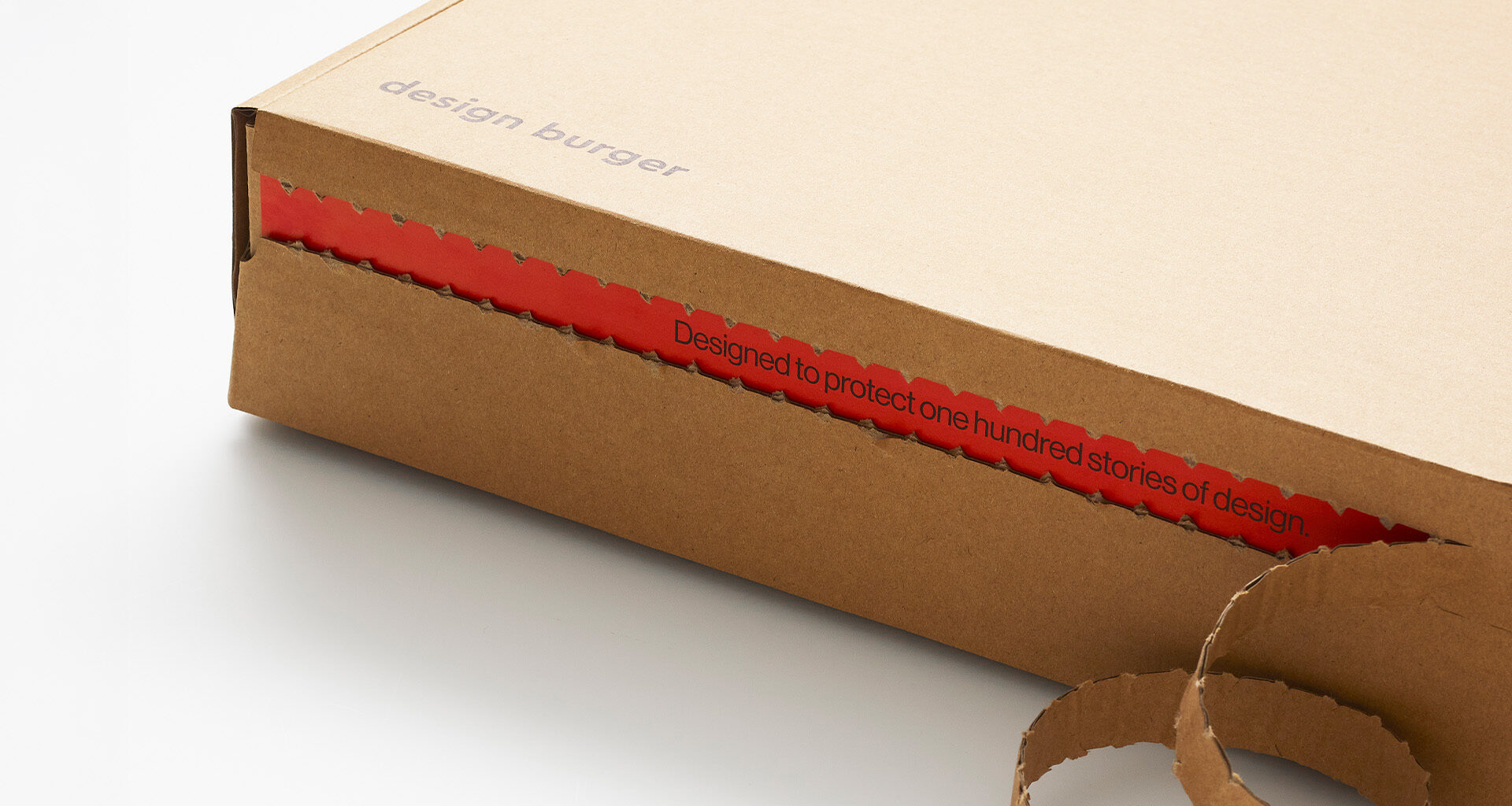
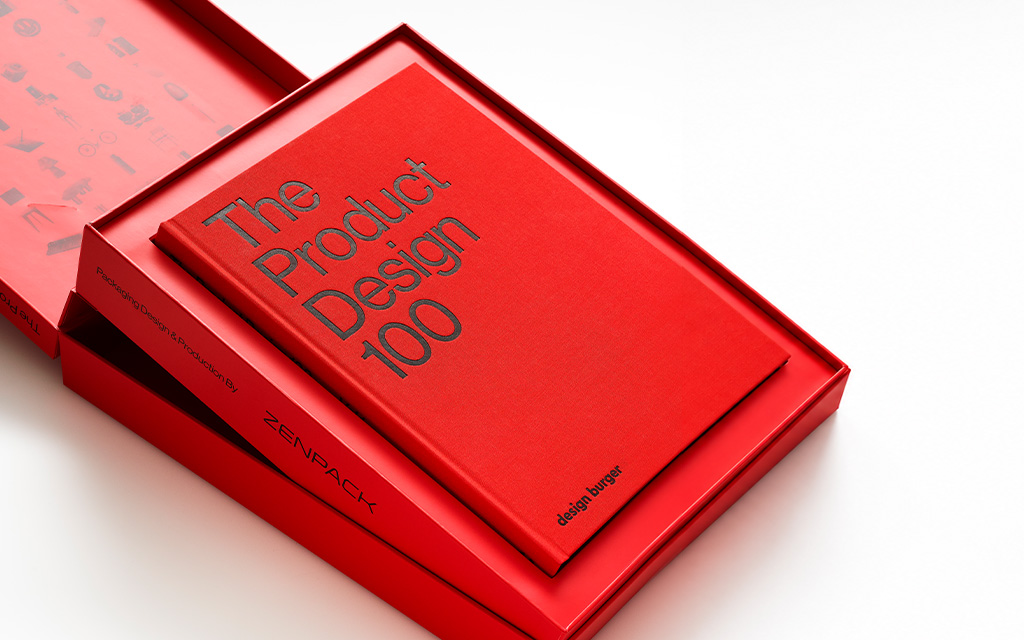
When Design Burger created its archival folio, the goal was to showcase 100 featured products in a way that felt like opening a fine art portfolio. For a design-focused audience, a standard flip-top box wouldn’t cut it, but using cheap plastic mechanisms would contradict the project’s sustainability goals.
The solution was to turn the physical mechanics of the paper box into the main event:
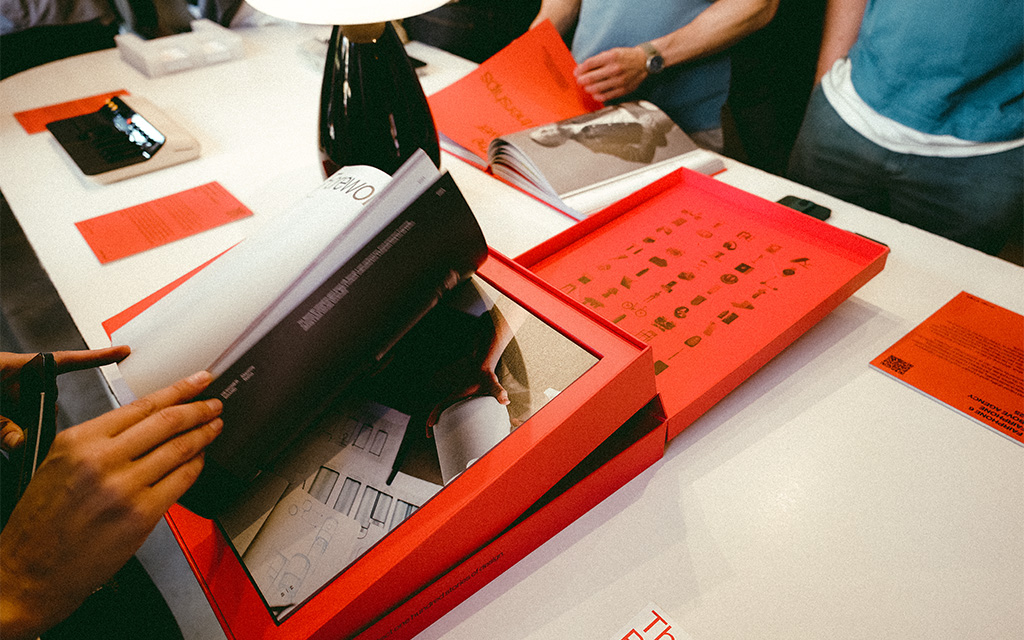
- Engineered paper mechanics: The team designed a built-in paper lift mechanism that subtly elevates the book as the cover opens, making the act of picking up the book feel intentional and smooth.
- Layered storytelling: The box itself became part of the content. Opening the inner lid reveals the first 50 featured products, while the remaining 50 are discovered underneath the book frame once it’s lifted.
- Minimalist consistency: A black-on-black debossed finish matched the book cover directly onto the rigid outer frame, keeping the entire presentation clean and unified using only paper materials.
You don’t need electronics or flashy gimmicks to impress people. Simple, clever paper mechanics can make unboxing feel interactive and memorable.
“Zenpack understood what we wanted from our Product Design 100 archive case and moved quickly to make it happen. Their communication and attention to detail made them a pleasure to work with.“
— Design Burger
What Makes High-Value Packaging Work?
Across new product launches, VIP mailers, and PR campaigns, successful packaging boils down to a few core principles:
- Material Consistency: Colors, textures, and finishes should match across different materials, whether you are dealing with paperboard, fabric, metal, or plastic.
- Intentional Layouts: Unboxing should feel like a guided tour, not a treasure hunt. Arrange items in the order the customer needs to see or use them.
- Sustainable Engineering: You don’t need plastic foam or bubble wrap to protect fragile items. Well-engineered, recyclable paper structures can do the job just as well while keeping the experience clean.
- Quality Control: Small details, like how a lid slides or how tightly a bottle fits into a cutout, make the difference between a box that feels cheap and one that feels premium.
Partnering for Your Next Launch
A great product launch deserves more than a standard stock shipping box. That’s where Zenpack comes in.
As a full-service packaging partner, Zenpack works alongside brands from early structural concepts and material engineering all the way through mass manufacturing and quality control. By solving complex physical challenges, like color matching across different materials, zero-plastic protective structures, and tight custom tolerances, Zenpack ensures your PR mailers and new product packaging arrive safely, look exceptional, and leave a lasting impression.
Planning an upcoming product launch or PR campaign? Reach out to the Zenpack team to turn your unboxing moment into a strategic brand asset.
FAQ
Structural packaging design improves a product launch by transforming a routine delivery into an engaging brand interaction. It protects fragile contents, organizes multi-part kits to guide user onboarding, communicates brand quality, and creates a memorable first impression that builds trust and drives product adoption.
Yes. Advanced packaging engineering replaces plastic foam, bubble wrap, and plastic trays with custom-folded, 100% recyclable paperboard inserts. By using precise structural locks, internal dividers, and interference fits, paper structures absorb shipping impacts just as effectively as traditional plastic materials.
Achieving cross-material color consistency requires using physical master references rather than digital swatches during production. Formulations for liquid silicone, printed paperboard, dyed fabrics, and painted metals should be visually color-matched side-by-side at the manufacturing plant before mass production begins.